The eight countries sharing the Zambezi River Basin have agreed on priority actions to advance the Program for Building Resilience of Food, Livelihoods and Ecosystems in the Zambezi River Basin, a $130 million regional program that aims to strengthen food security, livelihoods and ecosystem resilience.
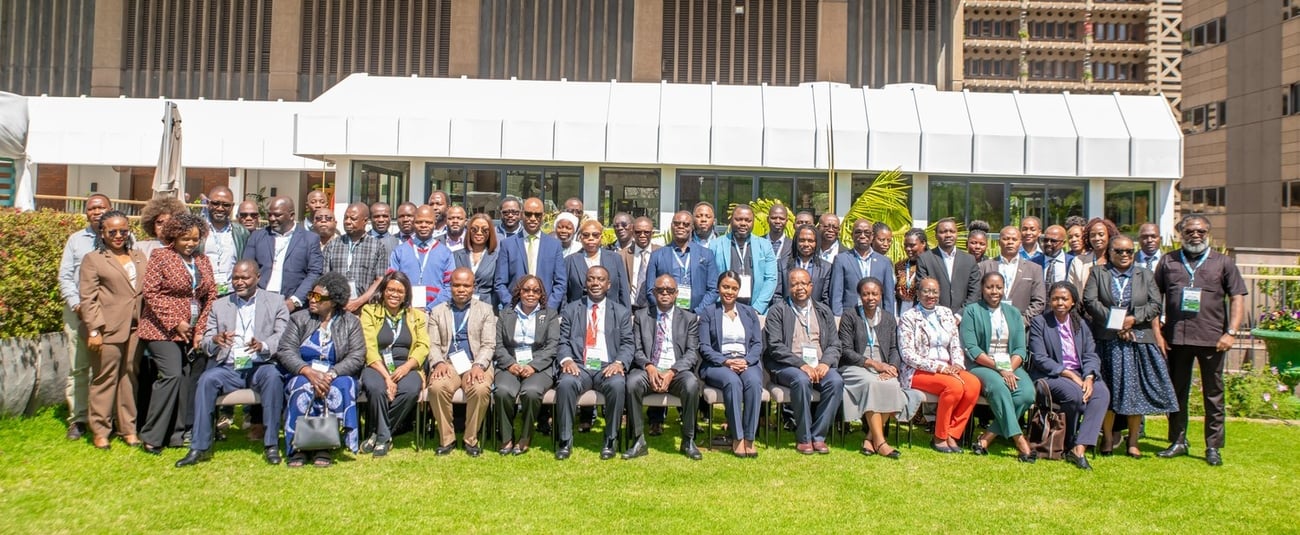
A regional workshop took place in Harare, Zimbabwe from 9 to 11 September, bringing together representatives of the Zambezi Watercourse Commission (ZAMCOM), the African Development Bank, the Global Mechanism of the United Nations Convention to Combat Desertification, the Climate Investment Funds, and the Government of Zimbabwe. The workshop came ahead of an appraisal mission that will review the design of the regional program.
Other participants included the United Nations Convention to Combat Desertification, National Focal Points from the Southern African Development Community’s region, along with river basin organizations region and dam operators within the Zambezi River Basin. All eight Zambezi River Basin states were represented — Angola, Botswana, Malawi, Mozambique, Namibia, Tanzania, Zambia, and Zimbabwe — alongside regional technical partners, civil society organizations, and private-sector representatives.
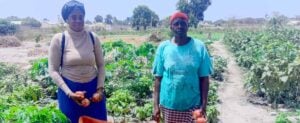
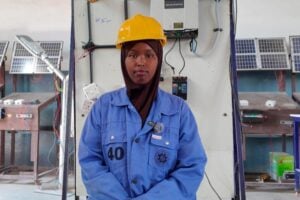
Four components anchor the program: natural resources management, community climate resilience, institutional capacity/knowledge, and coordination. For the benefiting communities and their inhabitants, this means landscape restoration, improved water management, climate-smart agriculture, stronger value chains, and economic opportunities for women and youth.
The Zambezi stretches across eight southern African countries. Its basin, a regional economic lifeline, ranks among the continent’s largest river systems, powering the Kariba and Cahora Bassa dams, sustaining agriculture, fisheries and tourism around Victoria Falls, and providing drinking water. That versatility also leaves millions vulnerable: droughts choke off hydropower, floods wreck farmland, with both extremes getting worse as the climate warms and more people depend on the river each year.
During the workshop, participants reviewed technical designs, financing allocations, implementation arrangements, geographic priorities and environmental and social safeguards of the future program. They also discussed national investments that would contribute to shared basin benefits, while addressing gender inclusion, and alignment with national priorities, including the Strategic Plan for the Zambezi Watercourse (ZSP 2018–2040) and the Southern Africa Great Green Wall Initiative.
Dr Laouali Garba, Manager for Agricultural Research, Production and Sustainability at the African Development Bank, emphasized the need to move theory and policy into concrete practices and impact.
“Now the time has come to turn the resources mobilized into achievements on the ground for community resilience, food security, job creation for women and youth, and climate change mitigation throughout the Zambezi basin,” said Dr Garba.

ZAMCOM Executive Secretary, Mr. Felix Ngamlagosi stressed that national priorities and shared regional outcomes must remain connected and coordinated, explaining that “while the individual investments must respond to the priorities of each participating country, they must all contribute to common basin-wide results.”
Speaking on behalf of the Southern African Development Community Secretariat, Dr Dumsani Mndzebele, Acting Senior Program Manager for the Water Division, welcomed coordination among the investment streams supported by Climate Investment Fund, the Bank, the African Development Fund and Global Environment Facility. Dr. Mndzebele noted the program’s potential to strengthen resilience through sustainable agriculture, nature-based solutions and improved land and water management.
Ms. Cathrine Mutambirwa, Program Coordinator for Land Degradation Neutrality and Land Restoration at the United Nations Convention to Combat Desertification Global Mechanism, highlighted the United Nations institution’s strong partnership with basin river countries and the Bank. She urged collaboration between the land and water sectors and noted that “drought is directly linked to water resources management.”
Engineer Tinayeshe Mutazu, Chief Director for Water Resources, Irrigation Development and National WASH Coordination, speaking on behalf of the Permanent Secretary, Professor Obert Jiri, pushed for the regional program to deliver real benefits on the ground, backed by national ownership, solid implementation plans, and robust safeguards.
Among the recommendations from the workshop, the Zambezi River Basin countries were urged to allocate at least 10% of their national budgets to spending on priority areas under the basin program, keep communities engaged, track gender outcomes, strengthen land governance, and ensure alignment on results measurement.
In closing remarks, the African Development Bank’s Country Manager for Zimbabwe Mrs. Eyerusalem Fasika underscored the importance of restoring degraded landscapes, strengthening climate-resilient agriculture and creating opportunities for women and youth.
“We have a shared responsibility to prepare a high-quality, bankable investment program,” she said.